The Power of Volunteering in Hospice: Making a Difference Beyond Companionship
Updated: Jun 13
Volunteering in hospice care offers a unique opportunity to touch lives in ways that go far beyond simply providing company. Many people think of hospice volunteers as just companions for patients, but their role can be much broader and deeply impactful. From helping with cooking and cleaning to yard work and running errands, volunteers contribute to creating a supportive environment that improves the quality of life for patients and their families. This experience not only benefits those receiving care but also transforms the volunteers themselves.
How Volunteering Supports Patients Beyond Companionship
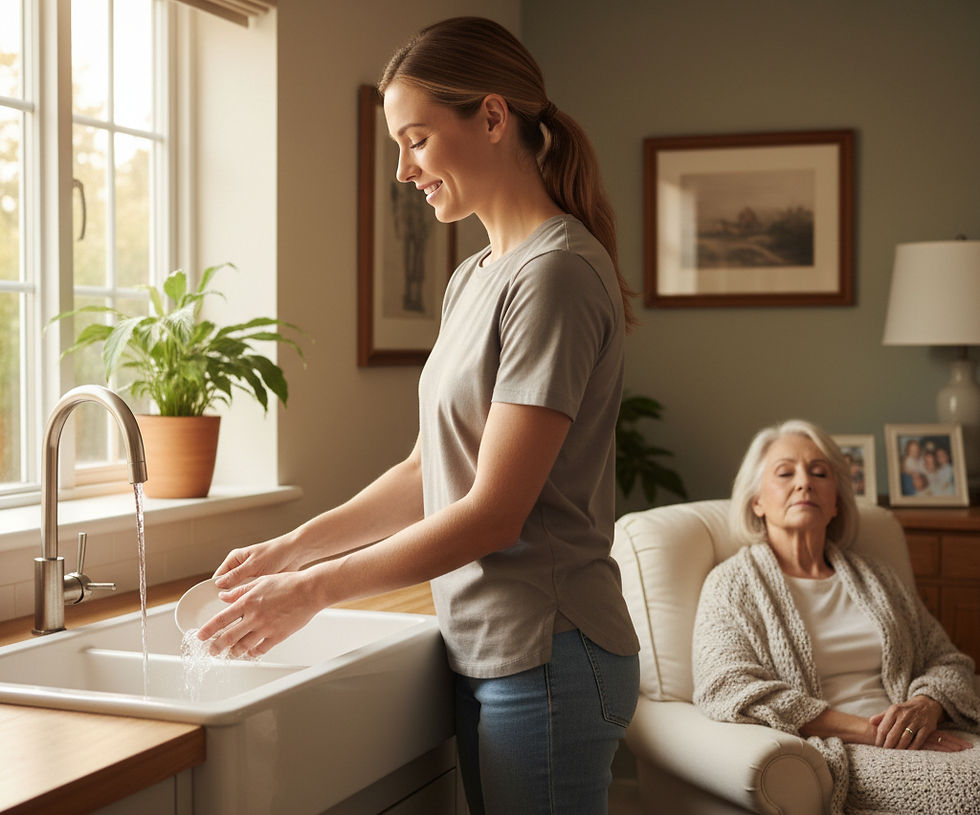
Hospice patients often face physical limitations and emotional challenges that make everyday tasks difficult. Volunteers step in to ease these burdens by:
Preparing meals tailored to patients’ dietary needs, ensuring they enjoy nutritious and comforting food.
Assisting with light housekeeping to maintain a clean and safe living space.
Tending to outdoor spaces such as gardens or yards, which can uplift the atmosphere and provide patients with a pleasant environment.
Running errands like grocery shopping or picking up prescriptions, which helps families focus on caregiving without added stress.
These practical contributions create a more comfortable and dignified experience for patients. Volunteers become an essential part of the care team, offering support that complements medical and nursing care.
The Emotional Impact of Volunteering in Hospice
While practical help is vital, emotional support remains at the heart of hospice volunteering. Spending time with patients, listening to their stories, and sharing moments of laughter or quiet reflection can ease feelings of isolation and fear. Volunteers often find that these interactions bring profound meaning to their lives.
Volunteering in hospice encourages empathy and patience. It teaches volunteers to appreciate the value of presence and active listening. Many volunteers describe the experience as life-changing, gaining a deeper understanding of human resilience and compassion.
Practical Ways to Get Involved as a Hospice Volunteer
Heartland Hospice Volunteer program welcomes volunteers with a variety of skills and interests. Here are some ways to contribute:
Companionship: Sit with patients, read to them, or engage in conversation.
Household support: Help with cleaning, laundry, or organizing personal spaces.
Meal preparation: Cook or deliver meals that meet patients’ preferences and needs.
Outdoor care: Maintain gardens, mow lawns, or create a peaceful outdoor setting.
Errands: Assist families by running errands.
Training is provided to prepare volunteers for their roles, including guidance on communication and understanding patient needs. This ensures volunteers feel confident and supported.

Benefits for Volunteers
Volunteering in hospice care offers personal rewards that extend beyond the act of giving:
Develop new skills such as caregiving, communication, and problem-solving.
Build meaningful connections with patients, families, and other volunteers.
Gain perspective on life and death, fostering gratitude and emotional growth.
Experience a sense of purpose by making a tangible difference in someone’s final days.
Many volunteers report increased happiness and reduced stress after their time in hospice care. The experience often inspires a lifelong commitment to service and kindness.
Encouraging More People to Volunteer in Hospice
Hospice volunteering is accessible to people of most ages and backgrounds. Organizations often seek volunteers who can commit anywhere from an hour a week or a few hours a month. If you are considering volunteering, start by contacting the Volunteer Coordinator at Heartland Hospice to learn about opportunities and requirements.
Sharing stories of hospice volunteering can also encourage others to get involved. When communities understand the broad impact volunteers have, more people may feel motivated to contribute their time and skills.


Comments